

 AliShokoohi.est
The Navard Foolad Parseh Kaveh website is designed to do more than present a company profile. Its structure is intended to guide visitors from learning about the business to exploring product groups, reviewing technical specifications, comparing options, and finally requesting current pricing and delivery information. In steel procurement, a purchase decision rarely depends on one number. Dimensions, thickness, length, approximate weight, standards, stock status, destination, and market conditions can all influence the final choice.
This guide introduces the main sections of the website, explains how product and information pages can be used, and shows how the digital structure supports a more efficient buying process. Whether you are a contractor, procurement manager, distributor, trader, or industrial buyer, understanding the architecture of Navard Foolad Parseh Kaveh can help you reach relevant information faster and prepare a more precise inquiry before contacting the sales team.
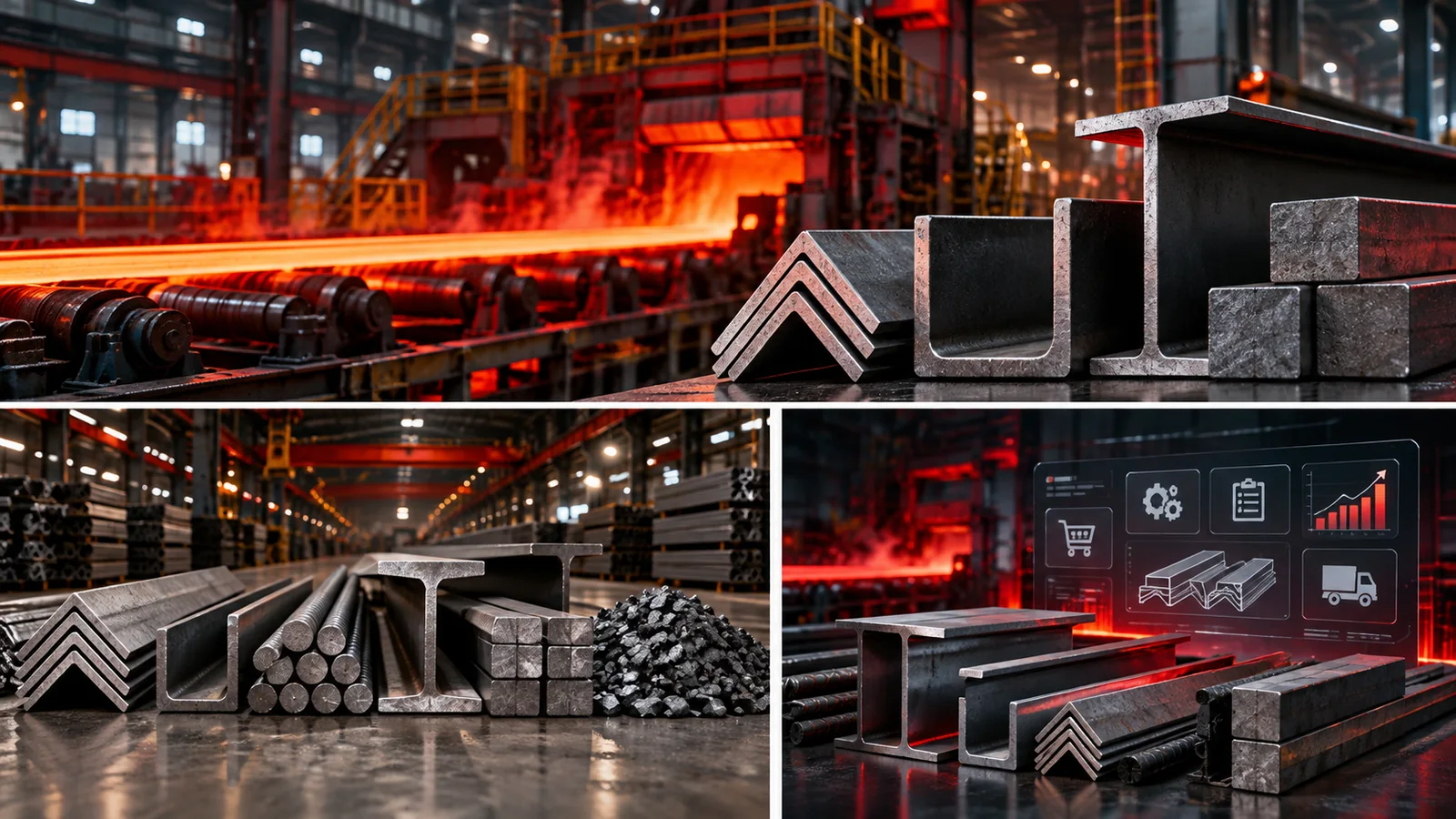
How does the website support the steel buying process?
Many steel purchases begin with a simple product name, but the final selection requires much more detail. A buyer needs to know the dimensions of a section, its thickness and approximate weight, the listed standard, and whether the required specification is currently available. The website brings these details into a more organized journey so visitors do not have to search through unrelated sources for every technical point.
The home page acts as the starting point, the steel products page introduces the main product families, and individual product pages provide more precise specifications. The price list and contact routes then support the inquiry stage. This sequence is useful because it separates research from the final commercial confirmation while keeping both within one digital environment.
Product architecture: from broad categories to specific products
A strong industrial website needs a clear information architecture. Placing every item in one long list makes comparison difficult and increases the chance of selecting the wrong specification. On the NFPK website, products are organized into distinct groups. Steel angles, channels, rebar, I-beams, steel billets, and direct reduced iron are among the main categories, and each family can contain multiple sizes, thicknesses, grades, or configurations.
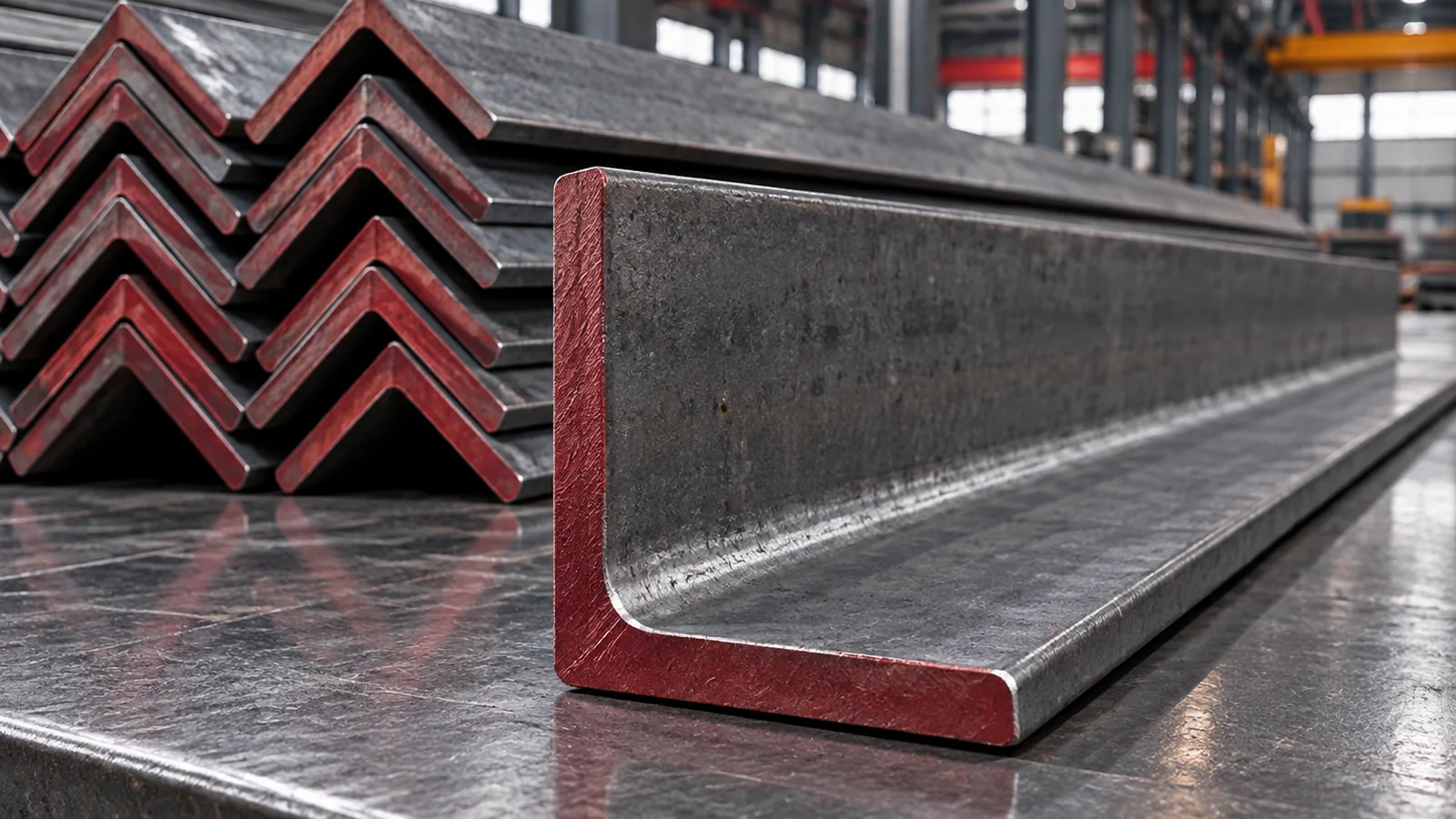
Steel angles as an example of product-page structure
Steel angles provide a clear example of this architecture. A visitor can begin with the steel angle category and review the available models. Once a size or thickness is selected, the dedicated product page can present information specific to that item. This separation is useful for searches such as “50×50×3 steel angle weight” or “40×40×4 steel angle specifications,” because the user reaches a page focused on the exact product instead of a generic explanation of steel angles.
The 50×50×3 steel angle page is an example of how one product can have its own technical and commercial context. A dedicated page can bring together size, thickness, length, approximate weight, standard, availability, and supporting content. This approach also makes side-by-side comparison with nearby models easier.
Channels, rebar, and I-beams
Channels, rebar, and I-beams have different geometries, structural behavior, and purchasing considerations. Keeping these product families separate helps users move directly to the section they need rather than scanning unrelated materials. For construction and industrial projects, a clear category structure can reduce the time spent on preliminary research and make technical discussions with suppliers more efficient.
Steel billets and direct reduced iron
The website also represents products beyond finished structural sections. Steel billets and direct reduced iron are important parts of the steel value chain and are relevant to industrial customers and trading businesses. For these buyers, supply volume, product type, logistics, and commercial coordination may be as important as the dimensional details commonly associated with finished sections.
Why technical specifications should come before the final price inquiry
A price only becomes meaningful when the exact product is clear. Two products with similar names can differ in thickness, weight, dimensional tolerances, or standard, and those differences can affect both application and cost. Before requesting a quotation, buyers should therefore review the technical information on the product page and compare it with the project drawing, specification, or purchasing requirement.
Section size, thickness, length, approximate weight, and standard are among the most useful fields. Approximate weight becomes particularly important for bulk orders because it can support an early estimate of total tonnage, vehicle requirements, and logistics costs. Actual shipment weight may vary from nominal or calculated values, so the final measured weight remains more reliable for commercial settlement.
For additional information on documented standards and approvals, visitors can use the standards and approvals section. This information supports product evaluation but does not replace project engineering, structural calculations, or specific contractual requirements.
Daily steel prices: from online information to final confirmation
Steel prices are dynamic. Raw-material costs, market supply and demand, order quantity, inventory, transport costs, and destination can all affect the final purchase price. This is why an old screenshot or a previously quoted figure should not be treated as a permanent price. The website’s price section provides a faster way to review available pricing information, while the final amount should still be confirmed at the time of order.

Before contacting sales, it helps to prepare the product type, required size or specification, number of pieces or approximate tonnage, delivery destination, and expected timing. A detailed inquiry gives the sales team a much clearer basis for checking stock, logistics, and current commercial conditions. The contact page provides the route for final coordination.
A practical four-step path for using the website
A simple four-step process can make product research more efficient. First, identify the product family you need. Second, narrow the available options according to dimensions, thickness, or other technical requirements. Third, review the specifications and compare similar models. Finally, confirm price, availability, transport, and delivery conditions for the actual order.
If you are still learning about the company itself, the About page provides company-level information. If your goal is technical learning, product comparison, or market-oriented reading, the blog is the more appropriate entry point. Keeping these paths distinct improves usability because visitors can choose the content that matches their intent.
Why a multilingual steel website matters
Steel trading and industrial procurement often extend beyond one local market. Buyers, suppliers, and business partners may access the website in different languages. Persian, English, and Arabic versions make the company and product information accessible to a broader audience. A professional multilingual structure, however, requires more than translating a few interface labels. Page titles, body content, internal links, SEO metadata, image ALT text, and navigation should all match the language of the page.
Translation relationships also help search engines understand which language version should be presented to each audience. From the user’s perspective, switching languages should keep the visitor within the same subject rather than sending them back to an unrelated home page. This is particularly important for brand pages, product categories, individual products, and evergreen educational content.
SEO for an industrial website: one clear purpose for each page
Industrial SEO is not simply a matter of repeating phrases such as “steel price” or “buy steel.” A scalable structure assigns a clear purpose to each type of page. Category pages should cover broader commercial searches, product pages should focus on exact specifications, and blog articles should answer informational questions or explain processes. This makes the content easier for users and search engines to understand.
Clear keyword ownership also reduces internal competition between pages. A steel-angle category can serve broader angle-related searches, while a 50×50×3 product page focuses on that exact size and thickness. This website guide, in contrast, focuses on branded searches and explains how to use the NFPK digital platform. Keeping these intents separate supports a cleaner long-term SEO architecture.
Designing a digital experience for industrial buyers
An industrial website needs to balance professional visual identity with practical usability. Factory photography and strong branding are valuable, but they are not enough if visitors cannot find a product, read the specification, or reach the inquiry path. Clear navigation, understandable search, well-structured product pages, responsive mobile behavior, and visible contact options are core elements of an effective B2B experience.
Industrial web projects also require coordination between information architecture, interface design, performance, SEO, and brand presentation. For information about website design and digital development services, you can visit Brandamoon. This external reference is included specifically in the context of web design and digital experience.
Who can benefit most from the NFPK website?
The website can serve several types of visitors. Contractors and builders may focus on dimensions and project suitability, industrial procurement teams often prioritize availability, weight, pricing, and delivery time, and traders may be more interested in product range and supply coordination. Engineers and technical specialists are likely to spend more time reviewing standards, thicknesses, weights, and comparisons between models.
A well-organized structure allows these visitors to take different paths. Someone who already knows the exact product can go directly to its page, while another visitor who is still evaluating alternatives can begin with a category or educational article. The website becomes more useful when it supports both direct procurement and pre-purchase research.
Conclusion: using the website as a pre-purchase decision tool
The Navard Foolad Parseh Kaveh website is most useful when it is treated as a decision-support tool before a steel purchase. Product pages, technical data, standards, price information, blog content, and contact routes each address a different stage of the buying journey. Together, they help visitors prepare more accurate questions and give the sales team better information for responding to an inquiry.
A practical starting point is the steel products section. Select the relevant product family, review the available specifications, compare the models that match your project, and then confirm current stock, price, and delivery conditions for the actual order.
Frequently asked questions about the Navard Foolad Parseh Kaveh website
What product groups are presented on the website?
Main groups include steel angles, channels, rebar, I-beams, steel billets, and direct reduced iron. Individual products can have dedicated pages with technical and purchasing information.
Is an online steel price always the final order price?
No. Steel prices can change with market conditions, inventory, order volume, freight, and delivery destination. Final price and availability should be confirmed when the order is placed.
How can I compare two similar steel products?
Open the dedicated pages for the products and compare section size, thickness, length, approximate weight, standard, and availability. This is more reliable than comparing product names alone.
Why are English and Arabic versions useful?
Multilingual pages make product and company information more accessible to international buyers and partners and support a clearer digital presence across different markets.
What information should I prepare before requesting a quotation?
Prepare the product type, required specification or size, approximate quantity or tonnage, delivery destination, and expected timing. For larger orders, transport and loading requirements should also be discussed.

Comments
0